

From Concept to Classroom: Creating Custom Board Games for Educational Success
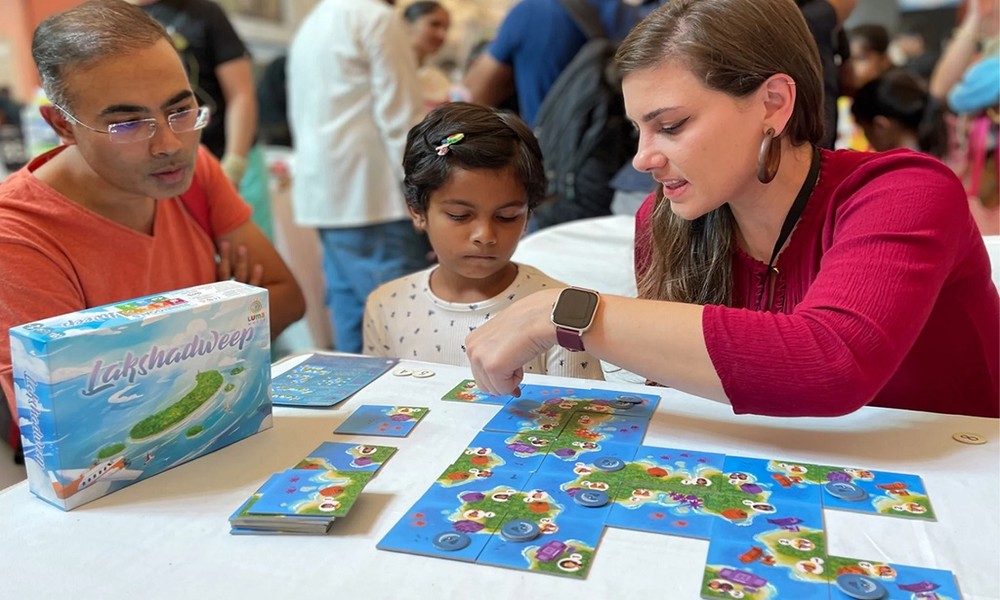
Board games are no longer just for family nights and rainy weekends. In classrooms around the world, educators are turning to custom board games as powerful learning tools that combine fun, strategy, and meaningful skill development. When designed with intention, a board game can transform abstract concepts into hands-on experiences and turn passive learners into enthusiastic participants.
This article walks through the journey from concept to classroom, showing how custom board games can be created to support educational success at every stage.
1. Why Board Games Belong in the Classroom
Learning is most effective when students are engaged, motivated, and emotionally invested. Board games naturally support these conditions by offering:
- Active participation instead of passive listening
- Social interaction that encourages communication and teamwork
- Low-pressure repetition that reinforces learning without boredom
- Immediate feedback through wins, losses, and in-game consequences
Custom board games go a step further by aligning gameplay directly with curriculum goals, making learning both intentional and enjoyable.
2. Step One: Defining the Learning Objective
Every successful educational board game starts with a clear purpose. Before designing any components, ask:
- What subject or skill should students learn or practice?
- Is the goal knowledge recall, problem-solving, collaboration, or critical thinking?
- What age group and learning level is the game designed for?
For example:
- A math game may focus on fractions or mental arithmetic.
- A language game might emphasize vocabulary building or sentence construction.
- A social studies game could simulate trade, governance, or historical events.
Clear objectives ensure the game supports learning rather than distracting from it.
3. Step Two: Choosing the Right Game Mechanics
Game mechanics are the engine of learning. The best educational games use mechanics that reinforce the intended skills.
Common classroom-friendly mechanics include:
- Turn-based movement for younger learners
- Card-driven challenges for recall and comprehension
- Resource management for strategic thinking
- Cooperative gameplay to encourage teamwork
- Timed rounds to improve focus and decision-making
The key is balance: mechanics should be simple enough to learn quickly but rich enough to sustain engagement.
4. Step Three: Designing Content That Teaches Naturally
Educational content should feel like part of the game-not an interruption. Instead of quizzes that stop gameplay, integrate learning directly into actions and decisions.
Effective strategies include:
- Question cards that determine movement or rewards
- Scenario cards that require problem-solving
- Role-playing elements that encourage discussion
- Progressive difficulty to support skill growth
When learning is woven into gameplay, students absorb information naturally while having fun.
5. Step Four: Visual Design and Accessibility
In a classroom setting, clarity matters. A well-designed board game should be visually appealing without overwhelming students.
Best practices include:
- Clear fonts and readable text sizes
- Color-coding for easy identification
- Simple icons and consistent symbols
- Durable materials for frequent classroom use
For younger students or special education environments, accessibility features such as large cards, minimal text, and strong visual cues are especially important.
6. Step Five: Prototyping and Playtesting
No educational board game is perfect on the first try. Prototyping allows educators and designers to test how the game performs in real learning environments.
During playtesting, observe:
- Are students engaged throughout the game?
- Do rules cause confusion?
- Is the learning objective being met?
- Does gameplay fit within class time limits?
Feedback from teachers and students is invaluable and often leads to improvements that significantly enhance both learning outcomes and enjoyment.
7. Step Six: Customization for Different Classrooms
One of the biggest advantages of custom board games is flexibility. A single game concept can be adapted for different grades, subjects, or learning styles.
Customization options may include:
- Adjustable difficulty levels
- Expandable card decks
- Teacher-editable content
- Modular boards for varied gameplay
This adaptability ensures long-term value and allows games to grow with students.
8. Step Seven: Bringing the Game Into the Classroom
Once finalized, implementation is just as important as design. Teachers can integrate board games into lessons in several ways:
- As a lesson opener to introduce new concepts
- As a review activity before assessments
- In learning centers or small group rotations
- As a reward-based learning tool
Clear teacher guides and simple setup instructions make classroom adoption smooth and stress-free.
9. Measuring Educational Impact
Educational success should be measurable. Well-designed board games can support assessment by revealing:
- Student understanding through gameplay decisions
- Communication and collaboration skills
- Problem-solving approaches
- Areas where learners struggle or excel
Teachers often find that students who are quiet during traditional lessons become more expressive and confident during game-based learning.
10. The Future of Learning Through Play
As education continues to shift toward interactive and student-centered learning, custom board games are becoming an increasingly valuable tool. They bridge the gap between play and purpose, making learning memorable, inclusive, and effective.
From concept to classroom, creating custom board games is not just about entertainment-it’s about designing meaningful experiences that inspire curiosity, collaboration, and lifelong learning.